Disclosure: This post contains affiliate links. We may earn a small commission if you purchase through our links, at no extra cost to you.
The Summer Trap
It starts innocently enough. School ends, the kids are home, and you're juggling work, household chaos, and the constant refrain: "I'm bored." Before you know it, your carefully planned summer of outdoor adventures has turned into a screen-time free-for-all. Tablets at breakfast. YouTube during lunch. Video games all afternoon. By August, you're wondering where the summer went—and where your kids went too.
The research is clear: excessive screen time during summer derails kids' focus, disrupts sleep patterns, and can erase academic gains from the school year. But here's what nobody tells you: the solution isn't about willpower or saying "no" more often. It's about replacing screens with something equally compelling. For us, that something was the trail.
The Problem Isn't Screens—It's Boredom
Before we blame tablets and phones, let's be honest: screens are just the easiest solution to boredom. Kids aren't addicted to screens; they're addicted to stimulation. When you offer them something more interesting than what's on a screen, they'll choose it every time.
That's the insight that changed our summer. Instead of fighting screens, we started fighting boredom. And the best boredom-killer we found? Getting outside.
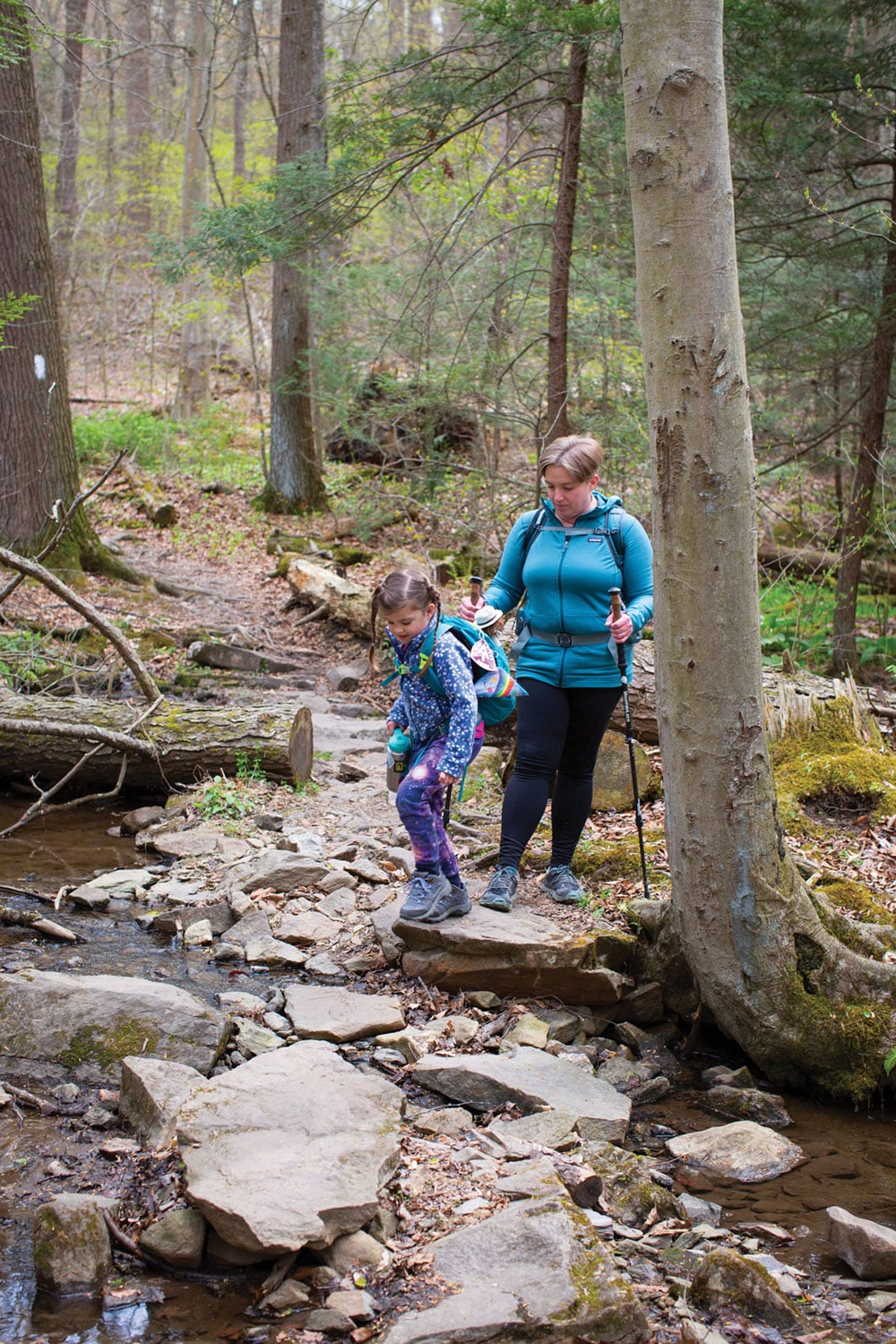
The first week of our screen-free summer experiment, we took the kids on a short trail hike. Nothing ambitious—just a 2-mile loop with a creek and some rocks to climb. My oldest complained the entire first mile. By mile two, she was leading the way, pointing out birds and collecting interesting leaves. By the end, she asked when we could go again.
That's when we realized: it wasn't about forcing kids off screens. It was about making the alternative so good they didn't want to be on screens.
The Framework That Actually Works
Over the course of last summer, we developed a simple framework that kept our kids engaged outdoors and screens mostly off:
Make it a game, not a chore.
We turned hiking into a treasure hunt. The "treasure" was different for each kid: one collected photos of wildflowers, another kept a tally of animals spotted, the youngest looked for "fairy houses" made of sticks and moss. Suddenly, the hike wasn't something we were making them do—it was something they wanted to do.
Build in novelty.
Kids get bored fast. We rotated between different trails, different times of day, and different activities. Monday was a morning hike. Wednesday was a creek exploration. Saturday was a longer family adventure. The variety kept things fresh and gave them something to look forward to.
Let them lead sometimes.
Instead of always choosing the trail, we let each kid pick one hike per week. This gave them agency and made them invested in the outing. Even when they picked a trail we'd already done, they experienced it differently because they were in charge.
Bring friends.
Solo family hikes are great, but hiking with another family or friend group changes the dynamic entirely. Kids are more engaged, more willing to walk longer distances, and more likely to ask to go again. We started a weekly "trail group" with two other families, and it became the highlight of our kids' week.
Celebrate small wins.
Every time a kid completed a hike, tried a new trail, or overcame a fear (like crossing a stream), we acknowledged it. Not with big rewards, but with genuine recognition. This built confidence and created positive associations with outdoor time.
What We Learned (And What Surprised Us)
By mid-summer, something unexpected happened: our kids stopped asking for screens. Not because we said no, but because they were too busy planning the next hike, talking about the animals they'd seen, and begging to go back to their favorite trails.
The screen time didn't drop to zero—we're not that strict. But it went from 4-5 hours a day to maybe 30 minutes on rainy days. And more importantly, our kids' energy levels improved, their sleep got better, and they were genuinely happy.
Here's what surprised us most: we enjoyed it too. Summer stopped feeling like a battle and started feeling like an adventure. We weren't fighting screens; we were building memories. And that's a completely different experience.
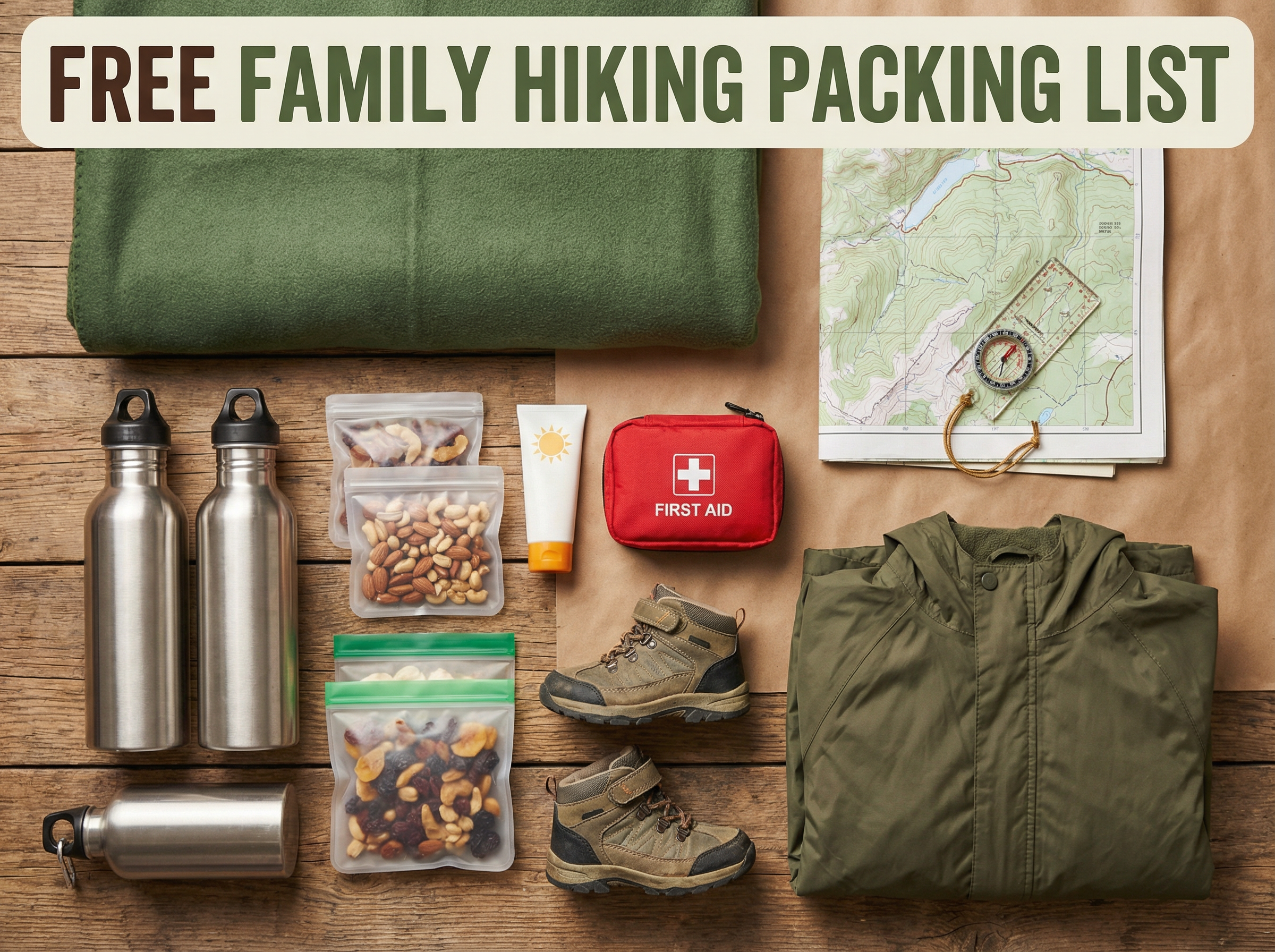
Ready to plan your screen-free summer? The difference between a successful outdoor adventure and a miserable one often comes down to preparation. Our Family Hiking Checklist covers everything you need: what to pack, what to wear, how to prepare your kids, and what to do if something goes wrong. Download it free and start planning your first hike this week.
The Practical Reality
Let's be clear: this doesn't work if you're not prepared. The first few hikes were rough because we forgot water, didn't pack snacks, brought the wrong shoes, and generally had no idea what we were doing. By mid-summer, we had a system.
You need the right gear.
Not expensive gear—just the right gear. Comfortable hiking boots for each kid. A good backpack. Plenty of water and snacks. A basic first aid kit. A trail map or a hiking app. These aren't optional if you want your kids to actually enjoy hiking instead of complaining about blisters and hunger.
You need to know what you're doing.
This doesn't mean you need to be an experienced hiker. It means knowing how long a trail is, what the difficulty level is, what the water situation is, and what to do if something goes wrong. A good hiking checklist—one that covers gear, safety, and logistics—is worth its weight in gold.
You need a plan.
"Let's just go hiking" sounds nice, but it falls apart fast when you don't know which trail, how long you'll be gone, or what to bring. We started planning our hikes on Sunday nights, which gave the kids something to look forward to and gave us time to prepare properly.
Making It Stick
The hardest part of a screen-free summer isn't the first week—it's week seven, when the novelty wears off and you're tempted to just let them watch TV while you catch up on work.
Here's what kept us going: we made it a family priority. Not in a rigid, joyless way. But we treated our weekly hikes like we treat school or sports—non-negotiable time together. We didn't cancel because we were busy. We didn't skip because the weather was iffy. We showed up, and the kids learned that this mattered.
By August, our kids were the ones reminding us about hikes. They were the ones checking the weather forecast. They were the ones asking if we could go on a longer trail next time.
That's when you know you've cracked the code: when the kids are driving the adventure instead of you forcing them into it.
Your Screen-Free Summer Starts Here
If you're reading this in June, thinking "I wish we'd started this earlier," don't wait. Start now. Pick a trail this weekend. Bring your kids. Bring snacks and water. Bring realistic expectations—the first hike might be rough. But bring them anyway.
Because here's the truth: your kids don't need better screens or more apps. They need adventure. They need to feel capable. They need to see something beautiful and experience it together with you. They need to be bored enough to discover that boredom is actually the start of something interesting.
A screen-free summer isn't about deprivation. It's about discovery. And it starts with a single trail.